My dad was a World War II veteran, but like so many of his generation, he rarely spoke about his service. The only story he ever shared was that he flew over Germany with Ed Koch — yes, the future New York City mayor — as his commanding officer. Beyond that, silence. Growing up, I always wondered what memories he carried with him, and what he chose to leave unspoken. Watching CreatiVets, I couldn’t help but think of him.
This documentary dives into the very space my father kept closed off: the private weight of service and the ways veterans find to finally give voice to experiences too heavy to carry alone.
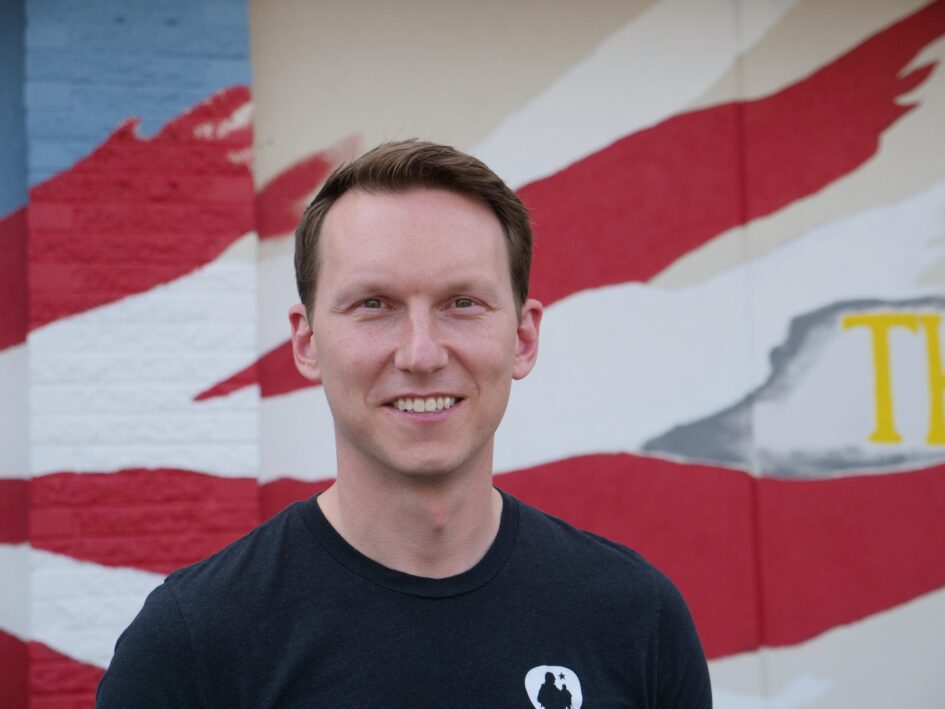
As part of the Tennessee Feature Official Selections at the 2025 Nashville Film Festival, CreatiVets made its debut on the big screen. Featuring Richard Casper — who also co-founded the nonprofit organization of the same name — and directed by Emmy Award winner Nick Nanton, the documentary highlights the mission he helped build from the ground up: using art, music and creative expression as a form of healing for veterans. Its inclusion in the festival felt particularly fitting, not only because Casper’s roots are here in Tennessee, but because the film, itself, embodies the kind of deeply personal storytelling that the festival has always championed.
The documentary first introduces us to Richard and the deeply personal story that led him to create CreatiVets. After the death of Luke, his closest brother in arms, Richard was consumed by grief and slipped into a profound depression. Unsure how to process the weight he carried, he turned to college as a way to rebuild his life and enrolled in art classes. It was there that he discovered something life-changing: through painting and creativity, he could express emotions he couldn’t bring himself to speak aloud.
Art became a language that allowed him to tell his story without actually “telling” it. That revelation set him on a new path — one that grew even stronger when he crossed paths with Linda Tarrson, whose encouragement and knowledge of NPOs provided the spark Richard needed to transform his personal healing into a movement that could help others.
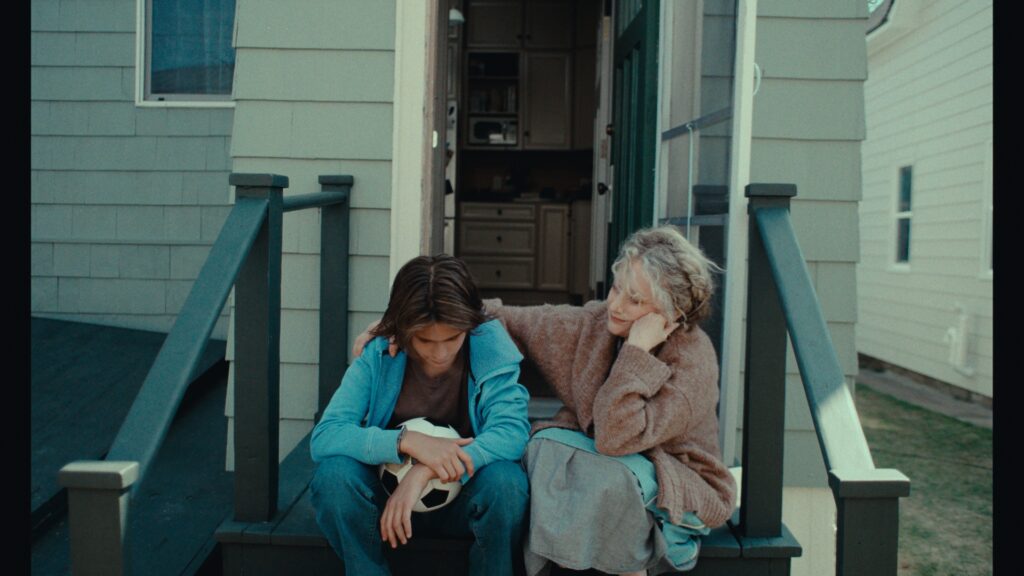
From there, the film broadens its perspective to include the stories of other veterans, each of whom is carrying invisible wounds from their time in service. Some battle PTSD, others grief or survivor’s guilt, but all of them find a sense of release and connection through the programs CreatiVets offers. Their stories aren’t polished or easy, but they are profoundly human, and together they form the heart of the documentary — proof that creativity can open doors to healing when words alone fall short.
The art did not save them… it made them.
Because CreatiVets is based in Tennessee, the film naturally leans into the warmth and hospitality of its Nashville setting. That Southern charm is felt throughout, not just in the city’s welcoming atmosphere, but also in the way the local music community rallies around the cause.
Country stars like Brantley Gilbert, Vince Gill and Jelly Roll and others make heartfelt appearances, lending their voices and visibility to shine a spotlight on the nonprofit’s mission. Their appearances aren’t just celebrity cameos — they feel like genuine gestures of solidarity with the veterans’ stories.
The documentary also captures some of the most moving moments at the Grand Ole Opry, where a handful of veterans are given the once-in-a-lifetime opportunity to co-write and perform songs in the very heart of country music. Those scenes embody the spirit of Nashville: where storytelling through music becomes a bridge between pain and healing, and where the veterans’ voices are amplified in a way that is both inspiring and unforgettable.
If there’s one drawback to CreatiVets, it’s the runtime. Normally, I find myself grumbling when documentaries stretch on too long and risk drifting into monotony. Here, the opposite is true. At just a little over an hour, the film feels like it cuts itself short. There’s so much emotional weight in the veterans’ stories that the documentary could have easily carried another 30 minutes without losing momentum. A deeper dive into individual journeys, or the inclusion of additional testimonies would have enriched the narrative and given audiences an even stronger sense of the impact CreatiVets has had.
As it stands, the brevity occasionally makes the film feel more like a polished highlight reel or promotional piece than a fully fleshed-out documentary. It’s not a fatal flaw — if anything, it’s a testament to how compelling the material is — but it does leave you wishing there was just a little more time to sit with these voices and their stories.
I give CreatiVets four out of five stars. It’s more than just a documentary: It’s a reminder of the stories my dad never told and the silence so many veterans of his generation carried with them. Richard Casper and his team have created something that gives today’s veterans a chance to break that silence, to transform pain into art and isolation into connection. While I wish the film had given us even more time with these powerful voices, what’s here is heartfelt, inspiring, and deeply human.
It’s a work that honors sacrifice not by glorifying war, but by celebrating the resilience of those who return home and find new ways to heal.