I was maybe 10 years old when I stumbled onto late-night cable TV. Not the stuff my parents wanted me watching, the weird margins of programming that existed between midnight and 4 a.m. Infomercials bleeding into public access. Commercials that didn’t quite make sense. Even to this day I remember the Ronco Pocket Fisherman or Amazing Discoveries. Everything had an off quality to it, a sincerity that felt vaguely wrong.
I couldn’t articulate why, at the time, but something about those broadcasts unsettled me in a way I didn’t have the language for. That feeling. That specific, creeping wrongness-beneath-surface cheeriness. That’s exactly what Simon Glassman captures in Buffet Infinity.
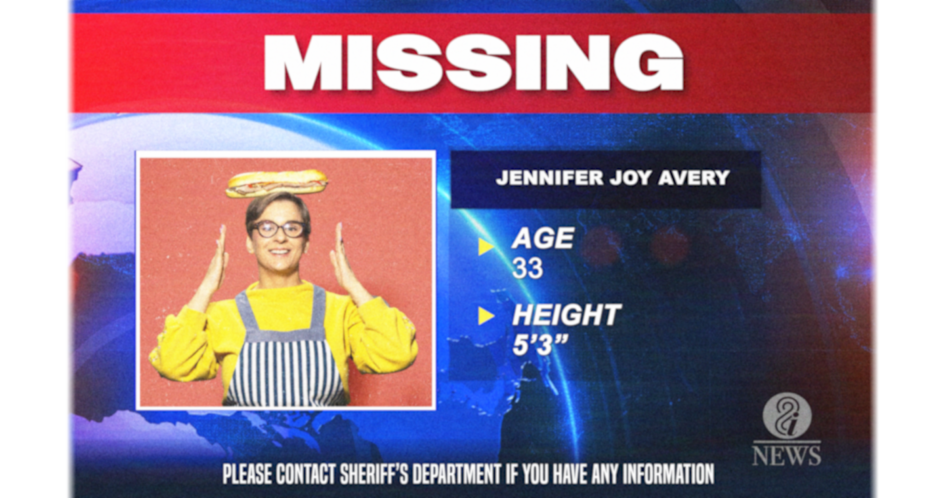
Buffet Infinity tells its story entirely through fake local television commercials, echoing the sketch-comedy structure of SCTV, but weaponized toward something far darker. Set in the fictional Westbridge County, the narrative unfolds across ads for two restaurants locked in increasingly sinister competition, a shady local lawyer, a wrestler selling automobiles and messages from the city council.
Jenny’s Sandwich Shop faces off against Buffet Infinity, an aggressive food joint that promises endless food and endless jabs at the competition. As the commercials accumulate, people begin disappearing. A sinkhole opens near Buffet Infinity. A religious group starts broadcasting apocalyptic warnings.
The tone shifts from quirky low-budget TV to something genuinely dread-filled, all while maintaining the aesthetic of ’80s local-access television.
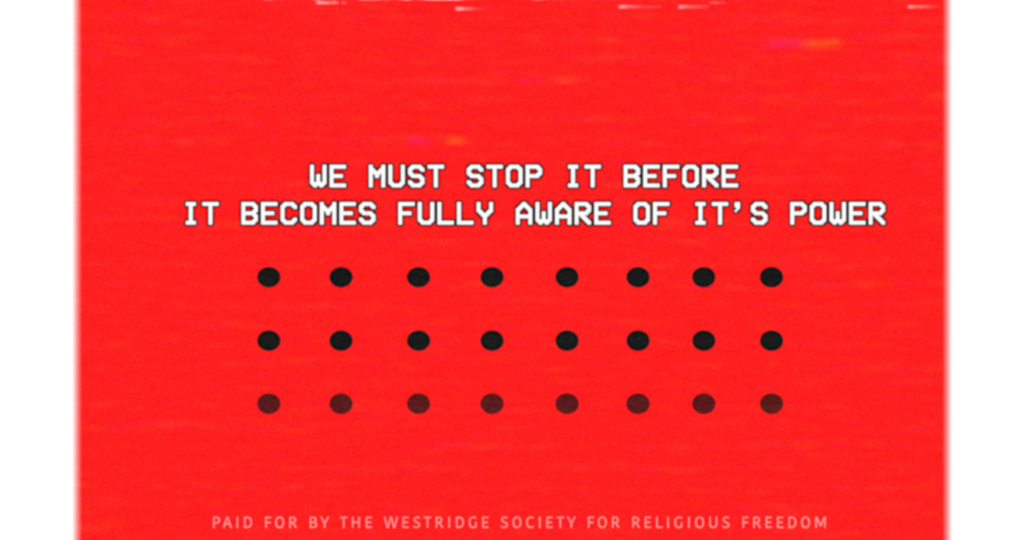
What makes this approach so effective is that Glassman understands format as a narrative device. He’s not using the commercial breaks as a novelty. He’s using them as a container for genuine horror. There’s something inherently unsettling about watching wholesome local advertising when the subtext is apocalyptic.
You’re expecting to chuckle at the low-budget earnestness, and instead you’re watching reports of people vanishing and the earth open up, hinting that demons may be at play. It’s the same cognitive dissonance I felt as a kid flipping through late-night cable. Something is wrong, but the surface presentation tells you everything is fine.
The cast commits entirely to the bit. They’re peppy, earnest and occasionally over-the-top in that way local spots always are. But that cheerfulness becomes a mask. There’s no winking at the camera. No acknowledgment that this is supposed to be absurd. They’re selling the commercials with complete sincerity, and that’s exactly what makes the mounting horror so effective. Glassman doesn’t need jump scares or gore. The low-fi aesthetic does the work. The VHS quality, the awkward framing, the flat lighting of a community-access production.
All of it contributes to an atmosphere that’s deeply uncomfortable, without ever becoming explicitly violent.
There’s also a layer of dark comedy running beneath the surface. Buffet Infinity’s aggressive marketing campaign takes on a sinister quality when you realize people are probably dying. The religious group’s apocalyptic warnings start feeling less like kooks and more like people who actually know what’s happening. Glassman walks a tightrope between horror and satire, and most of the time he nails it.
The low-budget aesthetic gives him permission to be weird and darkly funny in ways a glossy production wouldn’t allow.
The only problem with Buffet Infinity is the middle section. Right when the horror elements should be escalating and pulling tighter, the film loses momentum. The pacing drags exactly when it should accelerate. The commercials start to feel repetitive rather than accumulative. The disappearances increase, the sinkhole gets worse, the religious warnings become more frantic, but none of it has the propulsive energy it needs.
You disconnect. You start checking the clock. It’s frustrating because Glassman clearly knows how to build dread. The setup works. But somewhere in the middle, the rhythm breaks.
That said, the ending does what it needs to do. Glassman course corrects. He tightens the pace, raises the stakes and delivers a finale that earns back your investment. You walk away unsettled in exactly the way the film intended. That same creeping wrongness I felt watching weird cable as a kid. The kind of unease that lingers after you turn off the TV.
I give Buffet Infinity four out of five stars.
It’s a genuinely creative masterpiece in filmmaking that understands how to weaponize the format and aesthetic toward genuine horror. It’s not perfect. The middle sag is real. But what Glassman accomplishes here is impressive enough to forgive the pacing stumble. He’s recreated that feeling I had as a 10-year-old, flipping through late-night cable and sensing something wrong beneath the cheerful surface.
Buffet Infinity reminds you that sometimes the most unsettling horror doesn’t come from what’s explicitly shown. It comes from what’s implied. From the gap between what you’re told and what you know to be true. That’s where the dread lives.
And that’s exactly where Glassman plants his flag.