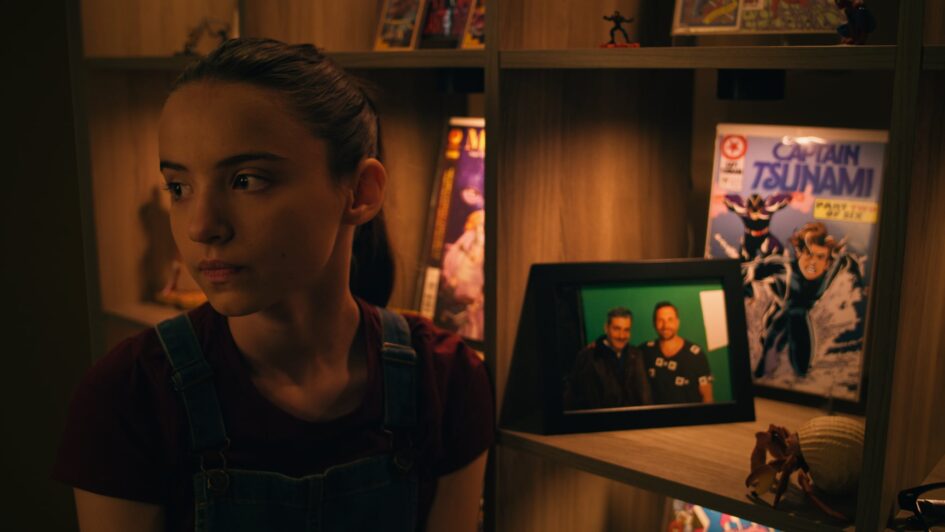
I’m a huge fan of nostalgia. And as a Child of the ’80s, comic books have always played a role in my life — mostly nostalgic, these days. Batman, G.I. Joe and The Transformers have always been my trifecta of terrific topics, from toys to TV shows and graphic novels, leading to their big-screen adaptations, which eventually cashed in millions of dollars at the box office. Nowadays, comic book movies seem to cause immediate eye rolls, as the Marvel Cinematic Universe, along with the DC Universe, among others, have oversaturated the release schedules of cinephiles with products of diminishing quality.
But a “comic book movie” isn’t actually a bad word.
In fact, before the term became synonymous with blockbusters (and their many sequels), there were plenty of smaller, character-driven releases that used the term as a through-line for telling their stories, instead of vehicles used to mindlessly spread superhero stereotypes. Captain Tsunami, which releases this week, is one of them.
When a 12-year-old girl (Madeleine McGraw as Emma) presents a collection of unfinished storyboards to comic book store owner Glenn (portrayed by P.J. Marino), hoping for some sort of understanding into her mother’s unspoken life, past traumas are reawakened and failed relationships are reexamined.
She’s an Amber Alert runaway with a missing mom seeking answers from a total stranger through a total leap of faith, but their connection may be more than just comics.
“Everybody’s got their thing…”
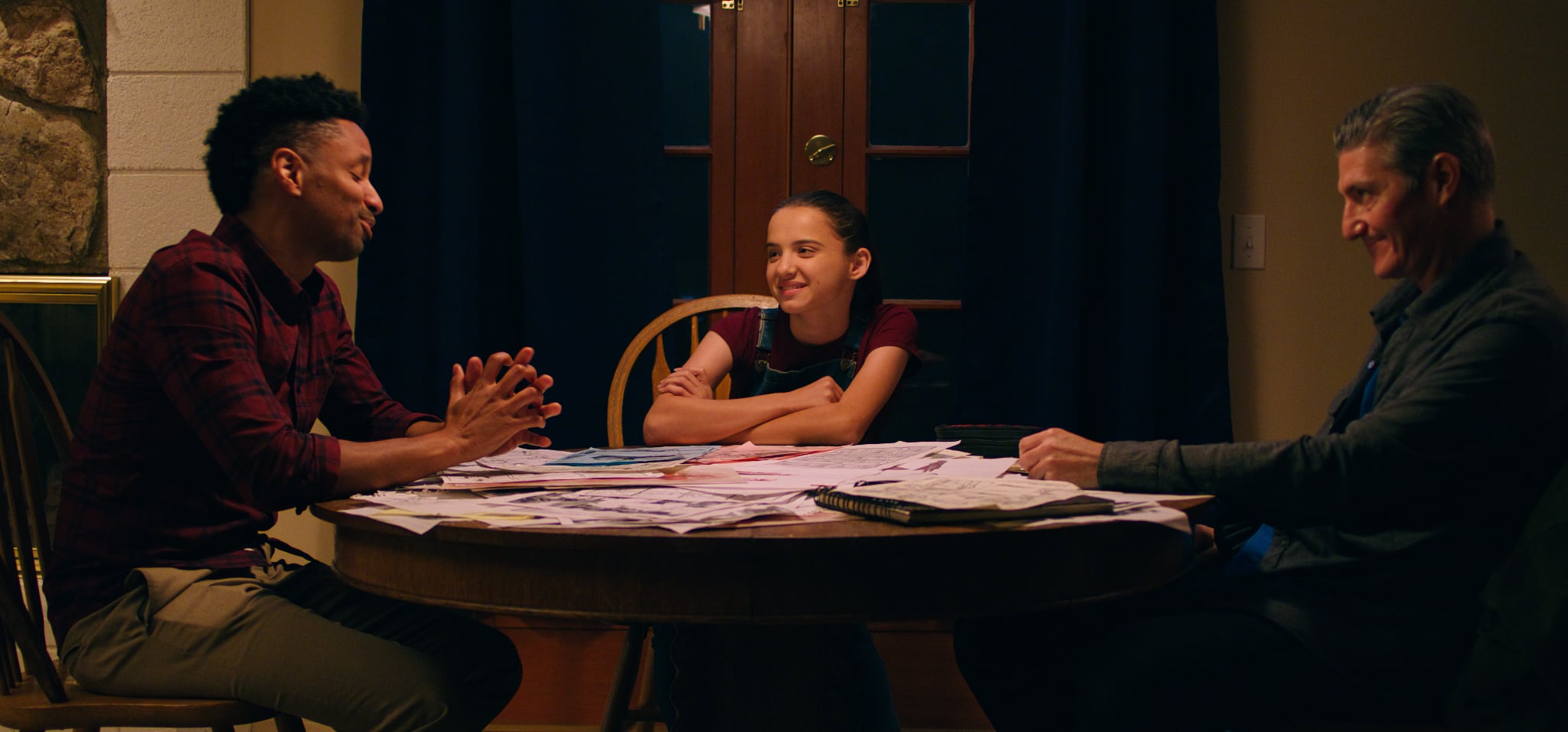
Told through a series of out-of-order flashbacks, Captain Tsunami presents the tale of a trio of orphans that form a dysfunctional family of sorts, each one battling addictions in their lives. Grief, unresolved feelings and hidden truths are presented as Emma is the voice of reason at times; also, she’s the main instigator to unpeeling the layers of the story. Reality is difficult for each of the characters, which explains their escapism from broken hearts, their lack of responsibility and their homelessness, which combine for a tough story to trudge through at times.
Was Emma’s mother, Desiree (Tessa Munro), a “broken genius” with an unmanaged mental illness? Or could she have simply been a deadbeat mom? That answer is ambiguous at best (much like Jason stated in his review of the film, the conclusion is pretty sudden), but what is clear is that young Madeleine McGraw steals every scene she’s in.
In fact, I felt a piece of my personal story unfolding with Emma, as my mother recently passed away and I have learned a bit about her unknown past by reading old letters written by her and speaking to various family members, much like Emma. It’s definitely tough to learn some things the hard way, especially when they concern a person who can’t personally explain themselves, but the young actress does a great job seeking these answers.
I was impressed with the brief animated segments scattered throughout, as they help to depict the film’s backstory while staying within the proper theme. A pseudo live-action/animated comic hybrid, Captain Tsunami unites its imperfect characters via comics or through tall tales. The dreams of becoming a superhero may not be a future possibility for them, but there is a certain magic between each one that becomes crystal clear.
Captain Tsunami validates my nostalgic love for comic book movies, which should no longer be considered an insult or a vulgarity when dealing with big-screen super stories.
“When a mind unravels, it’s easy to get lost. But every once in a while, you get found.”