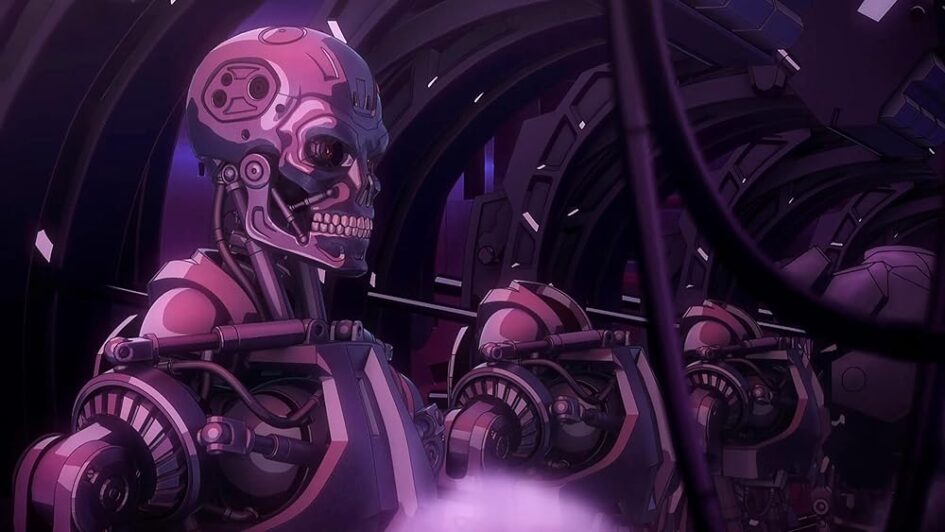
Years ago, after watching Terminator 3: Rise of the Machines (2003), I was pleasantly surprised by the overall outcome (it isn’t perfect by any means) as I departed the movie theater. The once-proud franchise that had remained dormant for 12 years — which felt like forever, back then — was briefly brought back to respectability by filmmaker Jonathan Mostaw (The Game, Hancock). The storyline was finally continuing for the rogue artificial intelligence that was determined to destroy humanity and Arnold Schwarzenegger returned, along with the introduction of a female Terminator, which was a new concept at the time. I was so stoked!
And then subsequent films floundered for 23 years, release after release… but there is hope for a brighter future (actually, a new and darker, deadlier one for humans) for movie fans, as James Cameron’s return should bring hope and respectability to the franchise in the near future. I hope.
The Terminator was pure ’80s moviegoing glory. Incorporating science fiction and horror genre elements, the introduction of a deadly time war almost felt inconceivable back then. Linda Hamilton made Sarah Connor feel important to future generations. Arnold’s presence felt imposing. And Cameron proved he had the storytelling chops that would soon make Rambo: First Blood Part II (1985), Aliens (1986) and The Abyss (1989) become successful before returning to combat a super-intelligent menace.
Terminator 2: Judgement Day (1991) turned the cyberpunk vision of a post-Apocalyptic future into an all-time action film of the present, unwittingly becoming the best of the franchise as Cameron later turned to other opportunities, including True Lies (1994) and Titanic (1997), as the filmmaker declares himself “the King of the World” after the film won 11 Oscars (including Best Director and Best Picture).
Skynet was all but forgotten by audiences, as subsequent sequels that were intended to spark a new trilogy of stories felt flat without the original storyteller. Franchise Syndrome was felt as their overall storylines trended toward redundant. Ownership problems also plagued the franchise for years, not to mention a variety of poor casting choices as lead actors. A well-known movie title was no longer a guarantee for success.
Back in 2003, I actually thought that bringing in new blood to the time-traveling franchise would create bold new stories. Unfortunately, the chosen filmmakers tried too hard to emulate Cameron’s success without bringing any innovations and they brought the opposite to these production companies: bankruptcy. The Sarah Connor Chronicles was a throwback that franchise fans craved for nostalgia, but it only lasted for two seasons.
After six feature films and one television series, James Cameron was done with taking a passive role. Although he was credited as a producer of Terminator: Dark Fate (2019), he was finally ready to make a meaningful contribution to the franchise (but not yet as a director). Comic books, along with a collectible card game, multiple video games, theme-park attractions (widely considered the unofficial “official” sequel to T2 for years) and later a machinima series were released.
And then Netflix brought more pop-culture relevance to the franchise by releasing the anime, Terminator Zero.
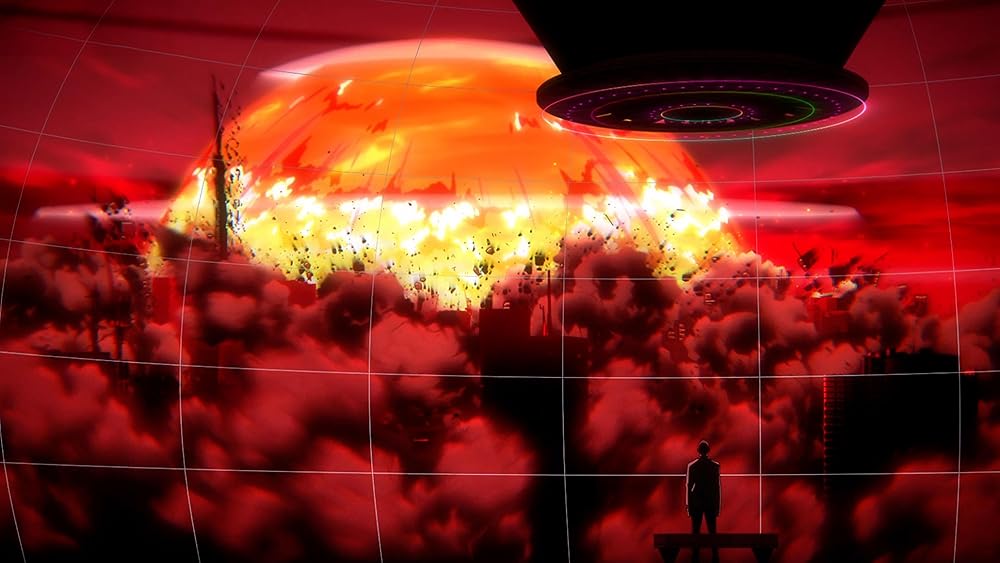
The sins of our future haunt our past… in Terminator: Zero.
Going into the series, I really didn’t know what to think. Past disappointments jaded my opinion of the franchise, but I was encouraged by the genre’s inventive interpretation of both our bleak outcome, as well as a dark present. It was both nostalgic and an innovative view from outside the Hollywood bubble, which I appreciated. But its cancellation after only one season was overshadowed by the groundbreaking news that The Maker was returning!
No longer the owner of the films’ rights (apparently, he sold them for $1.00 with the guarantee that he would return for directing duties, which never happened), word on the street is that Cameron has been busy crafting new characters and new concepts for a future film that is currently classified as being in development, but no scheduled release date has been made as the filmmaker balances his workload with future Avatar sequels.
The 21st century sure feels like the perfect time for a bigger, better and bolder Terminator movie, as artificial intelligence grows within our everyday lives, for better or worse. And I’m thankful that the most creative filmmaker to have worked on the franchise is returning after claiming multiple Academy Awards. I was less enthusiastic as Ridley Scott returned to oversee the Alien franchise after winning numerous Oscars, but this feels different: I’m cautiously optimistic with a wait-and-see attitude instead of instantly proclaiming this will have a successful outcome before any evidence has been displayed to the contrary.
Will James Cameron’s return to the franchise terminate the past sins of errant filmmakers?
Judgement Day feels forthcoming (Terminator 7: End of War is the rumored title), to what I can only assume will become a selective sequel, ignoring the production hell brought on by past releases. My hope is that Cameron will bring the same award-winning creativity that he used in crafting the Avatar franchise.
If time travel was a possibility, I’m guessing Cameron would stop himself from making the ill-fated transaction that would eventually bring mediocrity to his legacy characters. And depending on the future storyline he intends to bring to the big screen, Hollywood couldn’t have written a more successful — or believable — outcome for fans of the franchise.